





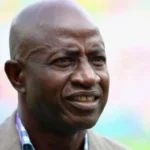














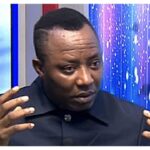





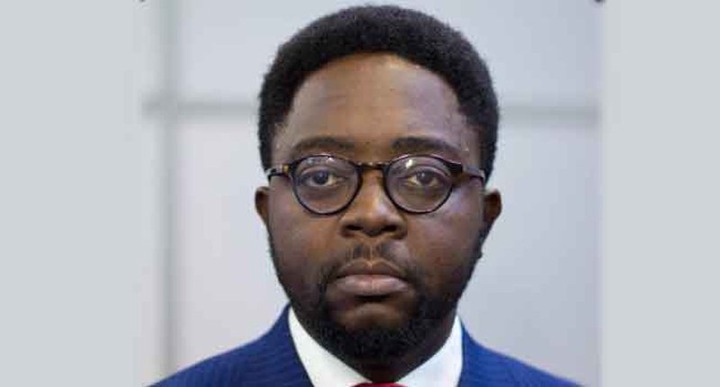

Channels Television presenter, Seun Okinbaloye, has called on the Independent National Electoral Commission (INEC) to provide Nigerians with a detailed explanation of the alleged cleanup of election results before they become visible on its Result Viewing Portal (IReV).
Okinbaloye made the call during Channels Television’s Sunday Politics, where he stressed the importance of transparency and effective communication from the electoral body, particularly regarding the handling of election results.
The broadcaster said Nigerians deserve to understand the processes involved in uploading, reviewing and publishing polling unit results on the IReV portal, insisting that the commission can no longer keep the public in the dark over the issue.
His comments followed a recent statement by INEC Chairman, Professor Joash Amupitan, who disclosed that the commission had introduced checks to prevent inaccurate election results from appearing on the IReV portal.
Reacting to the development, Okinbaloye acknowledged that the INEC chairman’s explanation appeared reasonable but questioned what happens to election results between the time they are uploaded and when they become accessible to the public.
According to him, the statement suggests that some form of review or intervention takes place after results have been uploaded, making it necessary for INEC to explain exactly how the process works.
“It means that there is something happening between when the result is uploaded and when we can see it. So what exactly is going on?” he asked.
Okinbaloye insisted that INEC must provide specific details about the process Nigerians have described as a cleanup, including the reasons for introducing it and the procedures guiding its implementation.
He argued that if the commission considers it necessary to review results before making them publicly available, it should publish its standard operating procedure (SOP) to ensure that the process is transparent and open to independent scrutiny.
The Channels Television presenter raised several questions about the nature of the checks being conducted, asking whether the system is designed to determine if uploaded result sheets are readable or to verify whether the figures recorded on them add up.
He also questioned who has the authority to withhold, replace or amend an uploaded result sheet and how long such results can remain unavailable on the public portal.
“Why is the cleanup necessary? Is the system checking whether the image is readable or whether the figures add up?
“Who can hold back, replace, or amend the result sheet? How long can it be held, and what can an independent observer check afterward? Who are the personnel? Who can we hold accountable,” he asked.
Okinbaloye further maintained that Nigerians need to know the personnel responsible for carrying out the cleanup, the duration of the process and the specific changes, if any, that can be made to uploaded results.
He also emphasised the need for independent observers to have access to mechanisms that would allow them to verify that the results eventually displayed on the IReV portal accurately reflect the results recorded and signed at polling units.
The presenter said such explanations would help Nigerians understand the safeguards introduced by INEC and determine how the commission intends to maintain the integrity of election results.
His intervention has brought renewed attention to transparency surrounding the electronic transmission and public viewing of election results, particularly the procedures governing the handling of result sheets after they are uploaded to the IReV portal.
As preparations and discussions surrounding future elections continue, questions about the transparency, accountability and verifiability of INEC’s result management processes remain important issues for voters, political stakeholders and election observers.