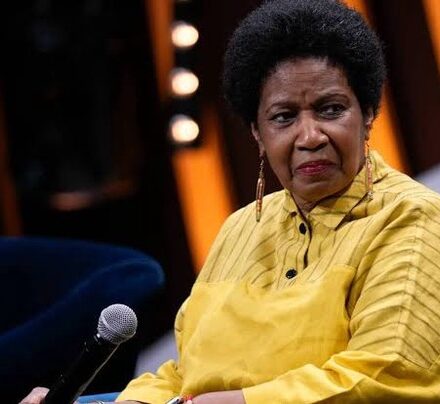









































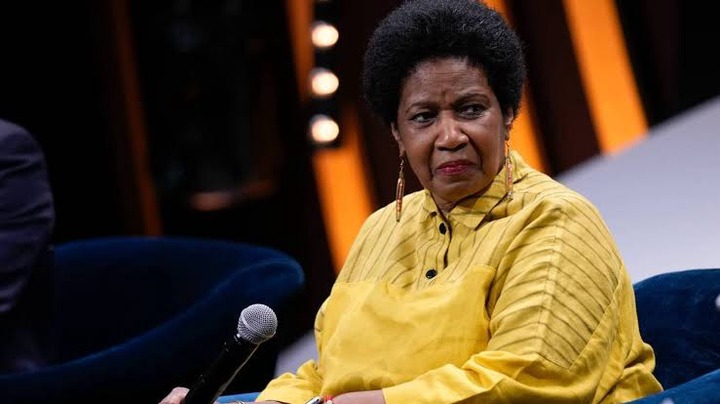

Former South African Deputy President Phumzile Mlambo-Ngcuka has died at the age of 71, the South African Presidency has announced.
The Presidency confirmed her passing in a statement issued on Friday, November 20, 2026, saying Acting President Paul Mashatile received the news with shock and sadness.
Mashatile conveyed his condolences to the Mlambo-Ngcuka family on behalf of President Cyril Ramaphosa, the government and the people of South Africa.
The Presidency said further details would be communicated after consultations with the family, which has requested privacy while expressing appreciation for messages of support from South Africans and the international community.
Mlambo-Ngcuka made history in 2005 when she became South Africa’s first female deputy president, serving under former President Thabo Mbeki until 2008.
Her political career began during the country’s transition to democracy. She entered Parliament in 1994, following South Africa’s first democratic elections after the end of apartheid.
Before becoming deputy president, she served as Deputy Minister of Trade and Industry and later as Minister of Minerals and Energy.
During her time in the deputy presidency, Mlambo-Ngcuka was involved in government initiatives aimed at reducing poverty and improving economic opportunities, particularly for women.
She also played a role in advancing policies focused on social development and improving the welfare of disadvantaged communities.
Following her departure from government in 2008, she continued her public service career through international advocacy for gender equality and women’s empowerment.
In August 2013, she was appointed Executive Director of UN Women, the United Nations agency responsible for promoting gender equality and advancing the rights of women and girls worldwide.
She also served as a United Nations Under-Secretary-General, holding the position until 2021 after completing two terms.
During her eight-year tenure, she championed women’s participation in leadership, economic development and decision-making, while supporting international efforts to address gender inequality.
AP News+2
Her leadership at UN Women further strengthened her international profile as an advocate for women’s rights, building on decades of political involvement and public service in South Africa.
Mlambo-Ngcuka’s death marks the passing of a prominent figure in South African politics whose career spanned the country’s democratic transition, national governance and international advocacy.
Her contributions to South Africa’s political development and the global campaign for gender equality remain an important part of her legacy.