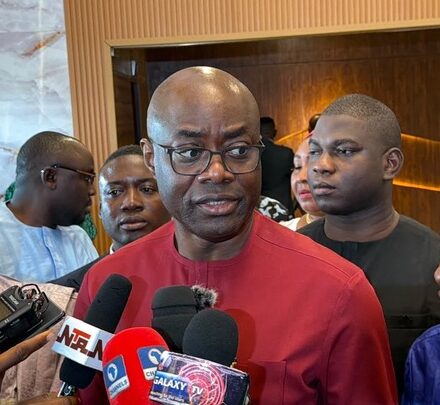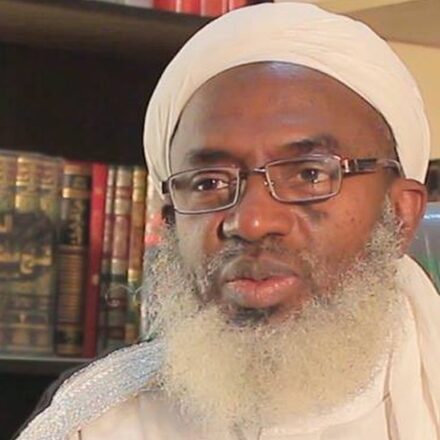



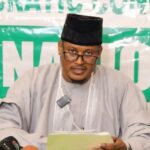








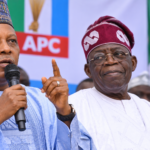










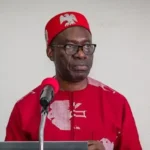


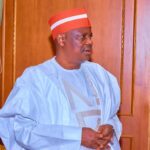



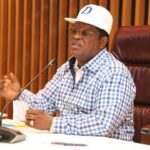










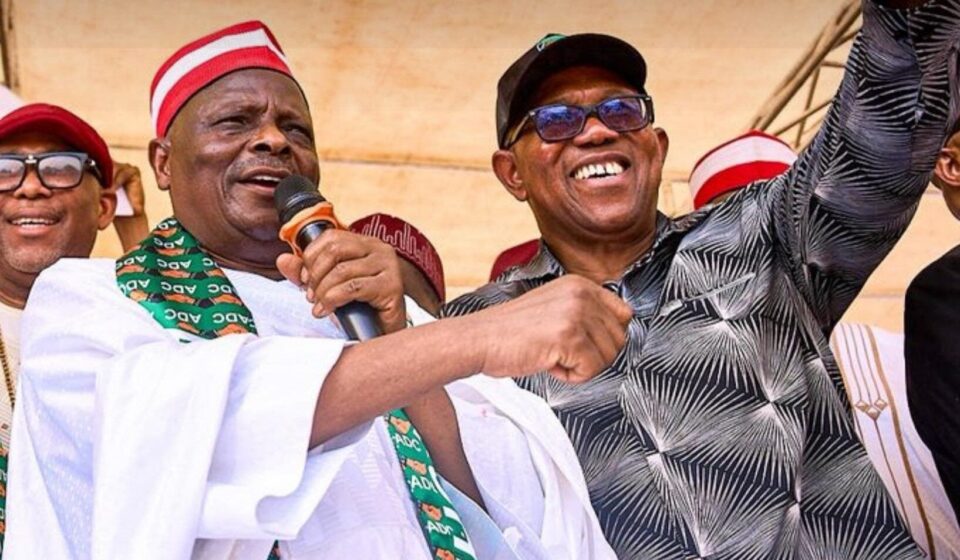

Vice-presidential candidate of the Nigeria Democratic Congress (NDC), Senator Rabiu Musa Kwankwaso, has challenged the popular perception of politics as a dirty game, insisting that genuine political success comes from earning the trust, admiration and support of ordinary citizens.
Kwankwaso made the remarks while speaking about grassroots mobilisation at a political gathering, where he emphasised that political influence should not be measured by access to government power, influential politicians or expensive election campaigns.
Naija News reports that the former Kano State governor maintained that the ability to connect with ordinary people and win their confidence remains the most important factor in building sustainable political support.
He questioned the notion that politics is inherently dirty, arguing that it should instead be an avenue for winning the admiration of the electorate.
“That is why people say politics is a dirty game; who told you that? Politics is where you win the admiration of the common person,” he said.
Kwankwaso Cites Kano Political History, Ganduje’s Defeat
The NDC vice-presidential candidate also drew attention to political developments in Kano State, particularly the 2019 governorship election, to demonstrate that holding political office and commanding the support of influential figures do not necessarily guarantee electoral victory.
According to Kwankwaso, political leaders can enjoy the backing of former governors, serving senators and other powerful individuals yet still struggle to secure the loyalty of ordinary voters.
He recalled the political contest involving former Kano State Governor Abdullahi Umar Ganduje, claiming that despite the extensive political backing Ganduje enjoyed, his political camp was defeated.
“In Kano politics 2019, Ganduje had every former governor, every senator, everyone you know; we do not have a single one on our side, yet we defeated him.
“Look at Jonathan in 2015… holding a political seat does not guarantee public affection,” Kwankwaso stated.
He used the examples to reinforce his argument that political authority and public acceptance are two different things, stressing that voters ultimately determine who deserves their support.
Kwankwaso Says Voters Judge Leaders By Performance
Speaking about the forthcoming election, the former governor explained that candidates may win their first four-year tenure partly because of the confidence voters have in the influential individuals and political figures supporting them.
However, he noted that once elected and given the opportunity to govern, political officeholders must establish their own credibility through their performance.
Kwankwaso argued that after spending four years in office, voters become more familiar with a leader’s character, decisions and achievements, making it easier for them to determine whether such a leader deserves another mandate.
“In politics, if you win a first four-year term, it may be because someone backed you and people trusted them; but once you spend four years in office, the voters know you best,” he added.
His comments highlight the importance of grassroots engagement, political accountability and effective governance in determining electoral success.
As political activities ahead of the forthcoming elections continue to gather momentum, Kwankwaso’s remarks reinforce his position that lasting political influence comes from the people rather than the privileges associated with occupying public office.