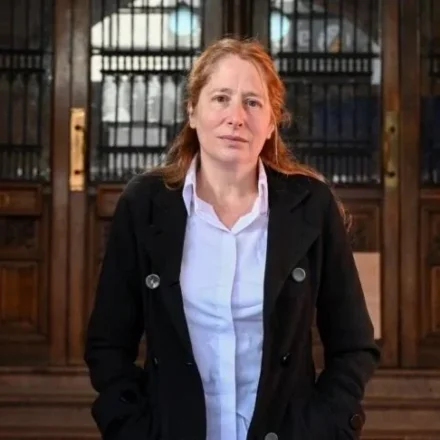


























































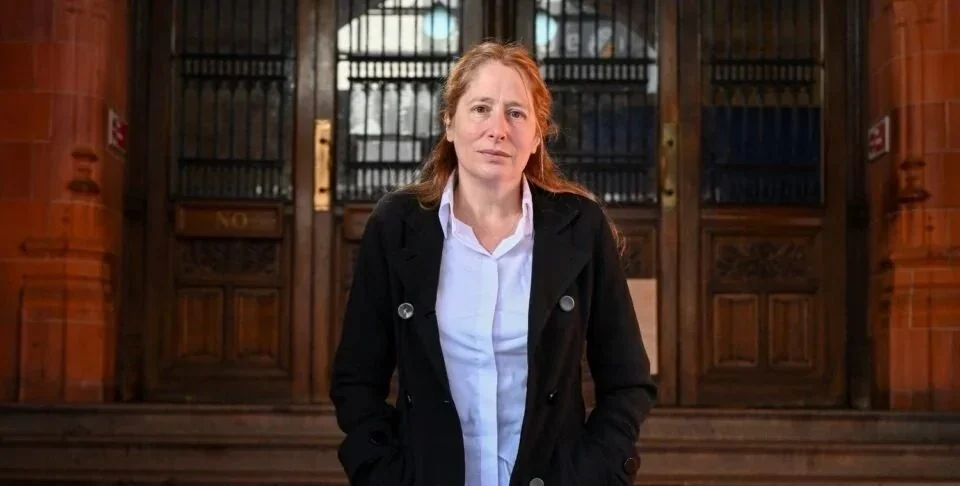

A Christian woman in the United Kingdom, Isabel Vaughan-Spruce, is set to stand trial in January 2027 over allegations that she silently prayed outside an abortion clinic in Birmingham, raising fresh concerns about religious freedom, freedom of thought and the enforcement of abortion clinic buffer zone laws.
Vaughan-Spruce faces five charges under Section 9 of the Public Order Act 2023, which establishes buffer zones around abortion facilities in England and Wales and restricts activities considered intended to influence people accessing abortion services.
According to a statement released on Wednesday by Christian legal advocacy organisation Alliance Defending Freedom International (ADF International), Deputy Senior District Judge Tan Ikram scheduled the trial to take place from January 25 to 29, 2027, at Birmingham Magistrates’ Court.
The charges relate to five separate occasions when Vaughan-Spruce allegedly stood silently praying within the restricted area outside the Robert Clinic in Birmingham.
Prosecutors allege that her conduct was intended to influence people seeking abortion services or was reckless as to whether it would cause harassment, alarm or distress to individuals accessing the facility.
However, Vaughan-Spruce has pleaded not guilty to all five charges.
Reacting to the court’s decision, the Christian woman described her prosecution as an attack on fundamental freedoms, insisting that silent prayer should not constitute a criminal offence in the United Kingdom.
“Silent prayer can never be a crime in the UK. My criminal prosecution for alleged ‘thoughtcrime’ is clear evidence of the UK’s censorship crisis,” she said.
She further expressed hope that the court would uphold her fundamental rights to freedom of thought and religion when the case goes to trial in January.
“I sincerely hope and pray the court will uphold my fundamental human rights to freedom of thought and religion, and rule in my favour following my trial in January,” she added.
Court Rejects Bid to Dismiss Silent Prayer Charges
Before the trial date was announced, Vaughan-Spruce’s legal team challenged the prosecution and asked the court to dismiss the charges.
Her lawyers argued that prosecuting her over alleged silent prayer violated her rights to freedom of thought and religion under the European Convention on Human Rights.
The defence also maintained that she was being targeted because of her established pro-life beliefs, arguing that silently praying or simply being present within the restricted area did not automatically amount to a criminal offence.
However, the judge rejected the application to dismiss the charges, allowing the prosecution to proceed to trial.
Her lawyer, Jeremiah Igunnubole, criticised the ruling, describing the prosecution as unreasonable.
“Silent prayer is not a crime, and it is absurd that Isabel is facing a second trial for her thoughts even though she was acquitted on a previous occasion and won a financial settlement from the police for her unjust arrests,” he said.
He further stressed that equality before the law, freedom of speech, freedom of thought and freedom of religion were fundamental British values.
Previous Arrests and £13,000 Compensation
The latest prosecution is not the first legal battle involving Vaughan-Spruce over her presence outside the Robert Clinic in Birmingham.
In 2023, she was acquitted after police arrested her for allegedly praying within a local abortion buffer zone established through a Public Spaces Protection Order.
The order restricted expressions of approval or disapproval of abortion within the designated area.
She was arrested again in March 2023 over allegations of silently praying at the same location. However, police subsequently discontinued the investigation.
Following legal challenges over her arrests, Vaughan-Spruce received £13,000 in compensation from West Midlands Police in August 2024.
ADF International, which is supporting her defence, described her as the first person to face prosecution under the national abortion buffer zone legislation in England and Wales.
Trial Set for January 2027
The upcoming trial is expected to examine whether Vaughan-Spruce’s alleged conduct breached the restrictions imposed around abortion facilities and whether prosecuting her is compatible with her fundamental human rights.
The case has attracted attention because it raises important questions about the relationship between abortion access, public order legislation, religious freedom and the right to private thought and prayer.
Vaughan-Spruce is expected to appear before Birmingham Magistrates’ Court between January 25 and 29, 2027, to answer the five charges against her.
She maintains her innocence and hopes the court will rule in her favour.