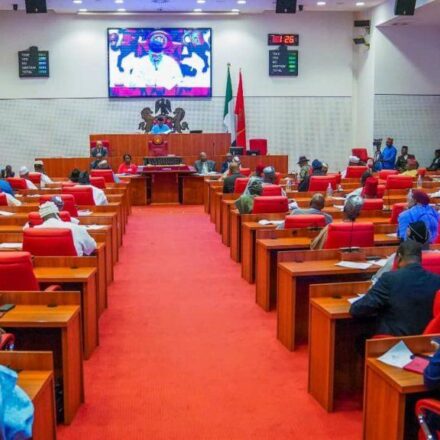

















































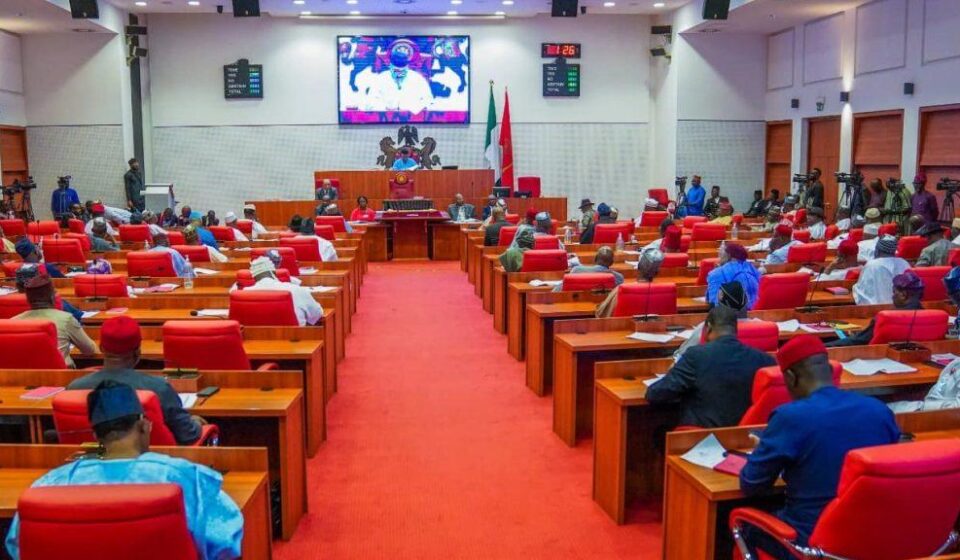

The Nigerian Senate has passed the National Senior Secondary Education Commission (Amendment) Bill, 2026, in a move aimed at strengthening the administration, coordination and governance of public senior secondary education across the country.
The executive bill, sponsored by President Bola Tinubu, was passed on Wednesday following the consideration of a report submitted by the Senate Committee on Education (Basic and Secondary).
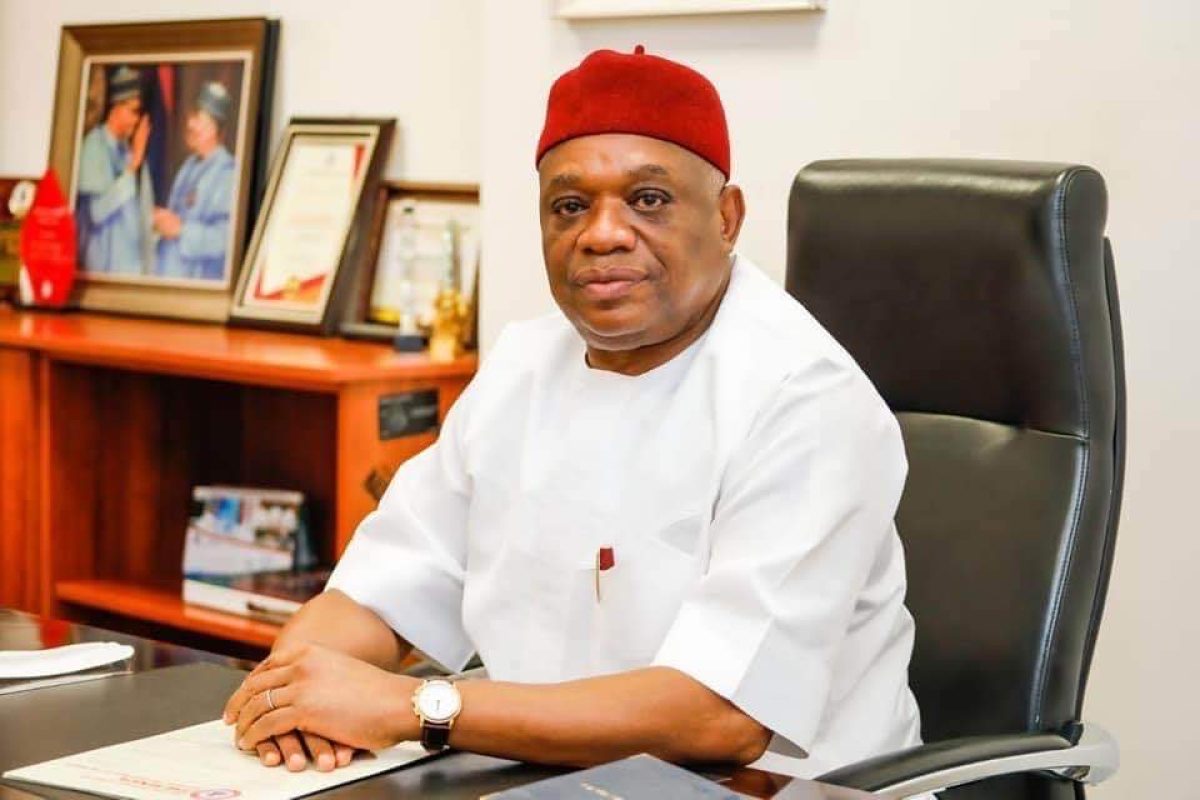
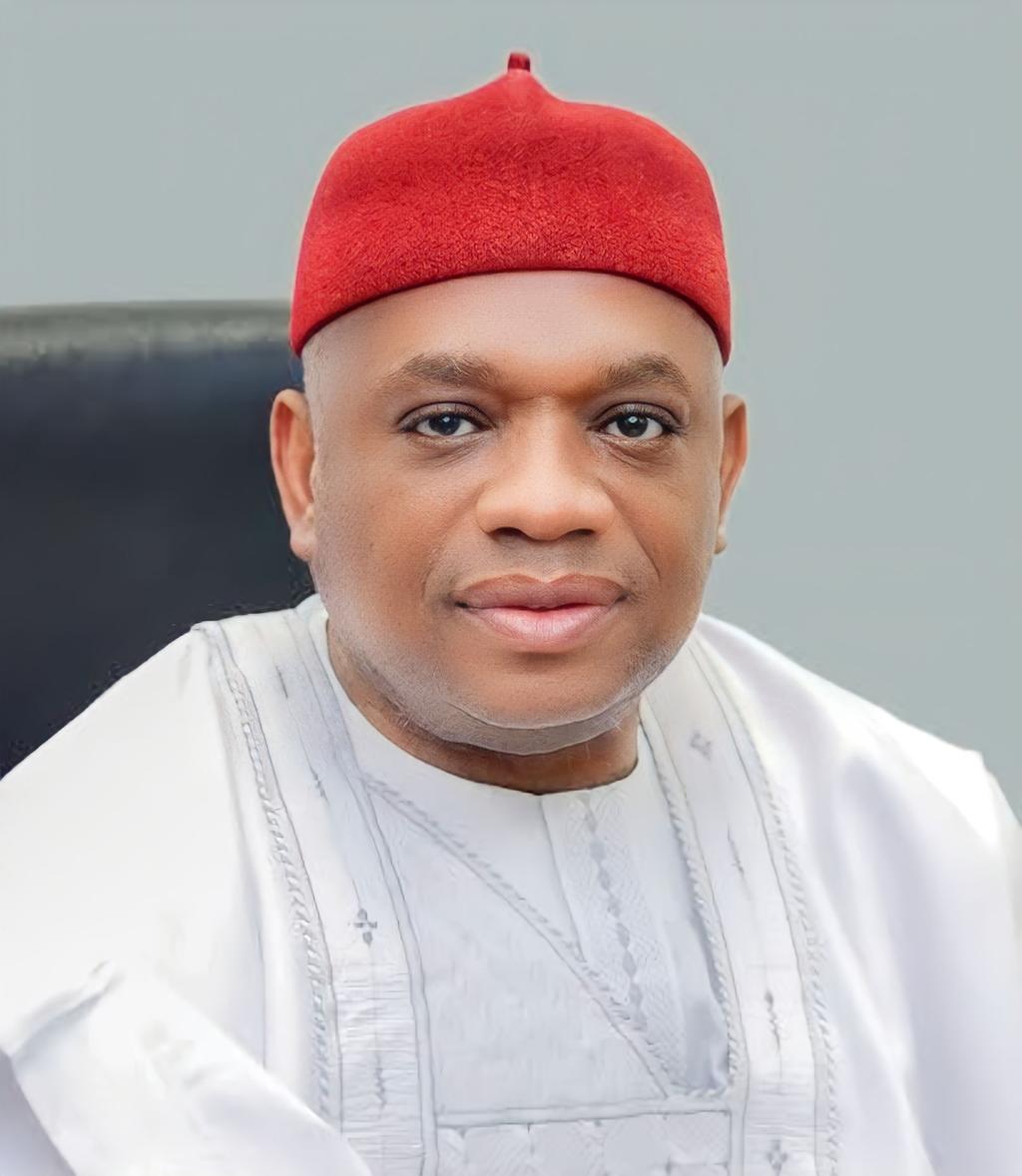
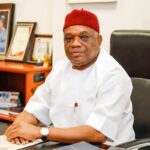
The proposed legislation, formally titled the National Senior Secondary Education Commission Act (Amendment) Bill, 2026 (SB. 1075), was presented by Senator Orji Uzor Kalu (APC, Abia North) on behalf of the committee’s chairman, Senator Lawal Adamu Usman (Kaduna Central).
After considering the committee’s recommendations clause by clause at the Committee of the Whole, lawmakers approved the proposed amendments. The bill was subsequently read for the third time and passed.
Presenting the report, Kalu urged senators to adopt the committee’s recommendations, explaining that the proposed changes were necessary to address challenges identified during the implementation of the existing legislation.
Why the Senate Passed the Education Amendment Bill
According to the committee’s report, the National Senior Secondary Education Commission was established under the National Senior Secondary Education Commission Act, 2023, to regulate and promote the development of senior secondary education in Nigeria.
However, experience gained from implementing the law revealed areas requiring legislative adjustments to improve the commission’s effectiveness.
The proposed amendments are expected to strengthen governance, improve coordination between the Federal and State Governments, promote accountability and support the effective implementation of national education policies.
The committee said the changes would address existing implementation challenges and make the commission more effective in achieving its statutory objectives.
House of Representatives Also Considers the Bill
Kalu disclosed that the House of Representatives had also considered the amendment bill and referred it to its Committee on Basic Education and Services for further legislative action.
He explained that this informed the decision to conduct a joint stakeholder hearing and clause-by-clause consideration to ensure comprehensive consolidation, a uniform report and smoother legislative proceedings.
Tinubu Transmitted Executive Bill to Senate in July
President Tinubu transmitted the executive bill to the Senate in July 2026 through a letter read by Senate President Godswill Akpabio during plenary.
In the letter, the President disclosed that the Federal Executive Council had approved the amendment bill at its meeting on April 30, 2026.
He added that the Federal Ministry of Justice subsequently vetted and finalised the proposed legislation in accordance with constitutional provisions and legislative drafting standards.
Tinubu described the amendment as part of his administration’s commitment to strengthening educational institutions in the national interest.
Following the presentation of the executive bill, Akpabio referred it to the Senate Committee on Rules and Business for legislative processing and directed the committee to report back within one week.
Senate’s Decision Comes Amid Wider Education Reforms
The passage of the amendment bill comes amid broader discussions surrounding the Federal Government’s education reform agenda.
One of the major proposals is the restructuring of Nigeria’s basic education system, as announced by the Minister of Education, Tunji Alausa.
Alausa said the proposed restructuring was designed to reduce school dropout rates, simplify learners’ progression and guarantee 12 years of uninterrupted schooling for every child before proceeding to higher education or vocational training.
Nigeria currently operates the 6-3-3-4 education structure, comprising six years of primary education, three years of junior secondary education, three years of senior secondary education and four years of tertiary education.
However, education stakeholders have continued to express concerns about barriers affecting children’s access to and progression through the education system.
These challenges include inadequate school infrastructure, poverty, insecurity and financial constraints, all of which contribute to school dropout rates.
The latest legislative development represents another step in the Federal Government’s efforts to strengthen education governance and improve the administration of senior secondary education in Nigeria.